
If you looked twice at your IT invoice last month, you’re not the only one. Every part of the business gets a closer look when the new financial year rolls around, and it makes sense that IT ends up on that list, since it can be one of the harder costs to picture clearly.
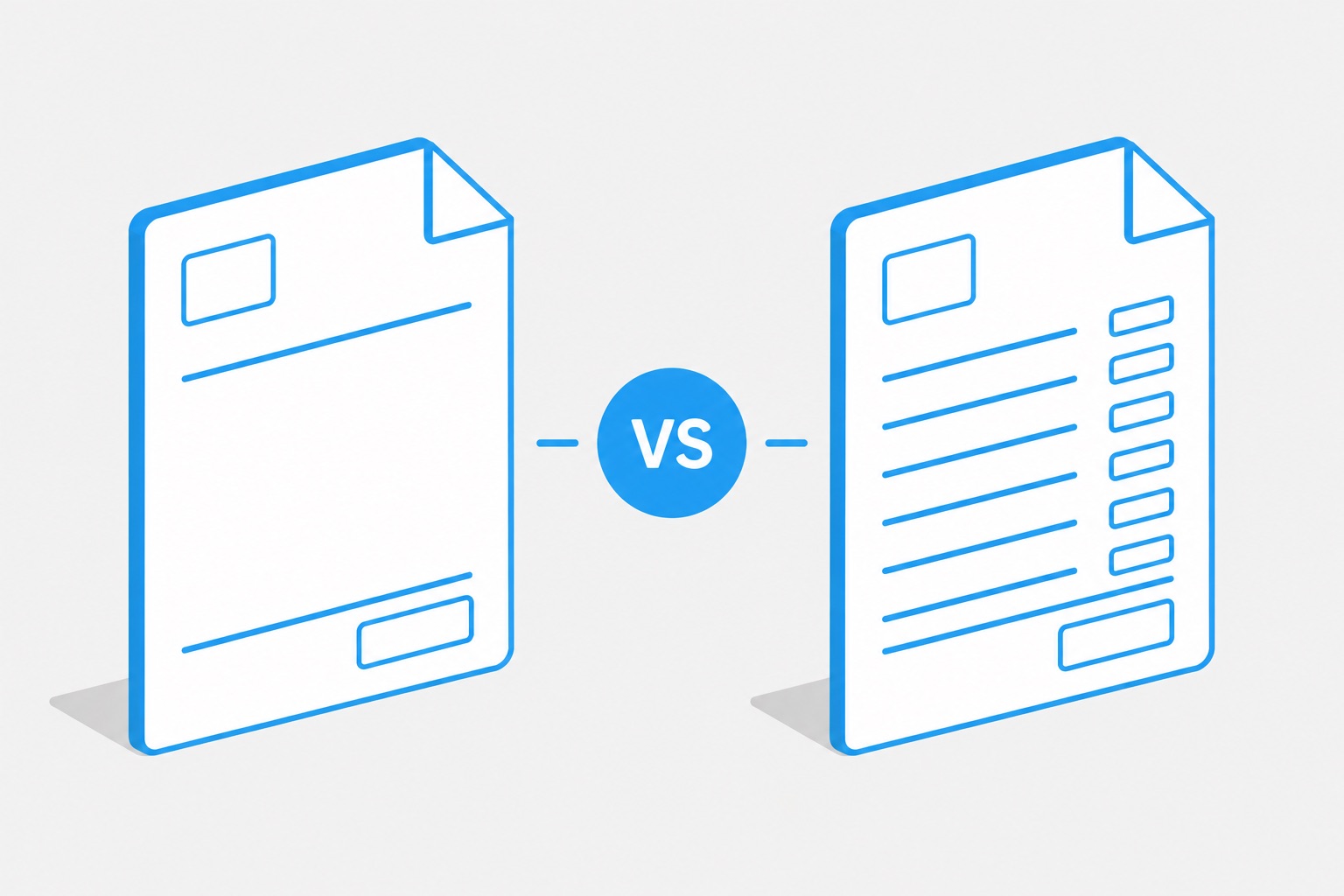
A line that reads “cloud services” or “IT support” with a set monthly figure doesn’t leave much room for detail, and that lack of detail is often what makes people want a clearer picture in the first place.
Business owners across Australia are thinking along similar lines. Growth ambition is still strong, but so is the pressure on margins, and when budgets tighten, the costs that are hardest to explain are usually the first ones people want a better handle on. It’s a fair instinct, and there’s a straightforward way to work through it, starting with understanding what’s actually behind your IT spend.
Why IT bills can feel unclear in the first place
Most IT billing doesn’t give you a lot to work with. A monthly total with a short description behind it tells you what you owe, but it doesn’t always tell you what’s inside it, how it’s calculated, or what would change if a particular piece were removed. Without that detail on hand, it’s difficult to have a clear view of the spend, whether you’re reviewing it internally or explaining it to someone else.
It also means two businesses paying similar amounts each month can be in very different situations. One might have a lean, well-managed setup with everything earning its place, while another might be carrying costs that quietly stopped being useful a while ago. Looking at the invoice on its own, there’s no easy way to tell which one you are, and that’s where some discomfort can start to come in.
What’s influencing IT costs this year
A few of the pressures on IT pricing this year sit outside any individual provider.
Hardware is one of the clearer examples of this. Memory prices have risen around 50% this year, which impacts the cost of new servers, storage and the systems built around them. For businesses planning a hardware refresh in the financial year ahead, the pricing available twelve months ago may no longer be available. Factoring that in early, and understanding which other IT spends could be consolidated to help ease the price increase, is likely to make a meaningful difference to the budget.
Software vendor pricing increases are another factor influencing IT costs. Microsoft 365 pricing has shifted over the past year, with plan restructures and increases that flow directly into the monthly bills of any business using it, and it’s usually absorbed into a broader “cloud services” or “licensing” figure on IT invoices. Understanding what’s actually inside your Microsoft 365 setup, and where the extra value sits, can make a meaningful difference to how confident you feel about that portion of the spend.
A helpful piece of certainty on the planning side
Not all of the news this financial year is about pressure. The federal government has confirmed the $20,000 instant asset write-off as a permanent measure for eligible small businesses from 1 July 2026, subject to the legislation passing as expected.
For businesses planning IT hardware purchases in the year ahead, that removes some of the year-to-year uncertainty that’s made timing these decisions harder in the past.
Where to find savings
If you’re looking to take a closer look at your IT spend, a useful place to start is with the smaller costs that may have accumulated over time. A short review of what’s actually being used, by whom, and for what, often frees up more than businesses expect.
Some areas worth reviewing:
- Are there licences still active for people who have moved on from the business?
- Do you have two or more tools doing overlapping jobs?
- Are there platforms that were used for a specific project, and never turned off?
- Do you have any add-ons or premium tiers that were useful once, but aren’t being used to their full extent anymore?
Consolidating systems not only reduces subscription costs but can also simplify how your data is managed across the business. Our article on the hidden costs of ineffective data management explains why complexity often becomes an unnecessary expense.
Some areas worth continuing to invest in:
- Do you have adequate cloud backups, and are they being tested regularly?
- Are your cybersecurity tools keeping pace with how your team actually works?
- Are the systems that protect your data still fit for the size and shape of the business today?
Going through both lists gives you a much clearer sense of what your IT spend is doing for the business, and it’s usually a good foundation for any wider conversation about where costs sit.
If you’re unsure whether your current backup strategy is sufficient, our guide explaining what cloud backup is covers the essentials.
A clearer view of your IT costs
There’s no way around the fact that this financial year is asking businesses to look harder at their costs than they have in a while. IT is one part of that picture, and it’s a part that’s hard to feel confident about without someone walking through it with you.
The good news is that clarity doesn’t take much to find. A short, honest conversation about your current environment is often enough to identify unnecessary costs, opportunities to simplify your systems and whether your current managed IT services are delivering real value.
Our team is here to help.
If you want a second set of eyes on your IT set-up, you can book a 15-minute, no-obligation call here.