
For regional and coastal businesses, technology often sits quietly in the background until the moment something goes wrong. A team might be in the middle of a busy morning when access to a shared drive suddenly disappears, a system refuses to load, or the internet drops out at the worst possible time. In a small or medium organisation, there usually is not an internal IT department to walk down the hall to, so the next step is to reach out to the external provider responsible for the systems.
What happens next is where many businesses begin to feel the pain of IT support. Instead of speaking with someone straight away, the process begins with logging a request into a portal or sending an email that turns into a ticket inside a helpdesk system. From there, it sits in a queue waiting for someone to pick it up.
By the time a response arrives, the person reviewing the issue may not have much context about the business, the systems involved, or how the team actually works day to day. The first part of the exchange is often spent bringing them up to speed before the real troubleshooting can begin, which means a problem that felt urgent at the start of the day can stretch out much longer than expected.
For many regional business owners, this experience will feel familiar, even if it never quite feels efficient. The workday does not stop just because technology has paused, and waiting for issues to move through a support system can quickly become one of the most frustrating parts of relying on external IT support.
Why Ticket Systems Became The Norm In IT Support
Ticket-based support is not always inefficient. For larger organisations, helpdesk systems became a practical way to manage requests and keep track of what needs to be resolved.
These systems allow teams to log issues, prioritise workloads, and allocate tasks across technicians. From an operational perspective, they help providers manage a high volume of requests while maintaining a record of what has been fixed.
The challenge is that systems designed to manage IT at scale are not always suited to the needs of growing regional businesses. They can place distance between the business needing help and the person who can actually solve the problem. Instead of speaking directly with a technician, the request first moves through a process designed to organise support work rather than resolve issues immediately.
Why This Model Often Falls Short For Regional Businesses
Regional businesses tend to operate differently from the larger organisations that many IT support models were built around. Teams are often smaller, responsibilities are shared across roles, and when something stops working, there usually is not spare capacity sitting on the bench. Technology interruptions can quickly spill into the rest of the workday because the same people responsible for running the business are also the ones trying to manage the problem. For businesses supporting staff across multiple locations, this can become even more challenging when working remotely.
Instead, what works for business owners and leaders is familiarity. They want to deal with someone who understands how their systems fit together, who knows how the team works, and who can offer practical guidance without starting from scratch each time an issue appears. When support interactions always begin with explaining the business again, it can feel like the relationship never moves beyond the starting line.
Over time, this can make technology decisions feel harder than they need to be. Instead of feeling supported in improving systems or planning future changes, some businesses end up focusing only on fixing the immediate issue and moving on. That’s often when it helps to step back and make sense of the advice you’re receiving before deciding what to do next. The result is that IT becomes something to manage around rather than something that actively helps the business grow.
Why IT Support Should Start With A Conversation
When support begins with a conversation, the situation can be understood much faster. A business owner or staff member can explain what they were doing, what changed, and what they are seeing on screen without trying to compress the problem into a short helpdesk description. That context helps a technician understand the environment straight away rather than piecing the story together through a series of messages.
It also allows issues to be worked through collaboratively. Questions can be asked in the moment, systems can be checked as the conversation unfolds, and small clues that might otherwise be missed often surface naturally. Instead of waiting for the next reply in a ticket thread, both sides can move toward the solution together.
For many regional businesses, this kind of interaction simply makes the process easier. The problem can be talked through properly, the right context is shared early, and the path to fixing the issue tends to become clearer much sooner.
A Better Support Experience Starts Here
If IT support has started to feel like a process rather than a partnership, it may be time to take a step back and talk things through. Many regional businesses reach a point where their systems have grown over time, but the support around them has not evolved in the same way.
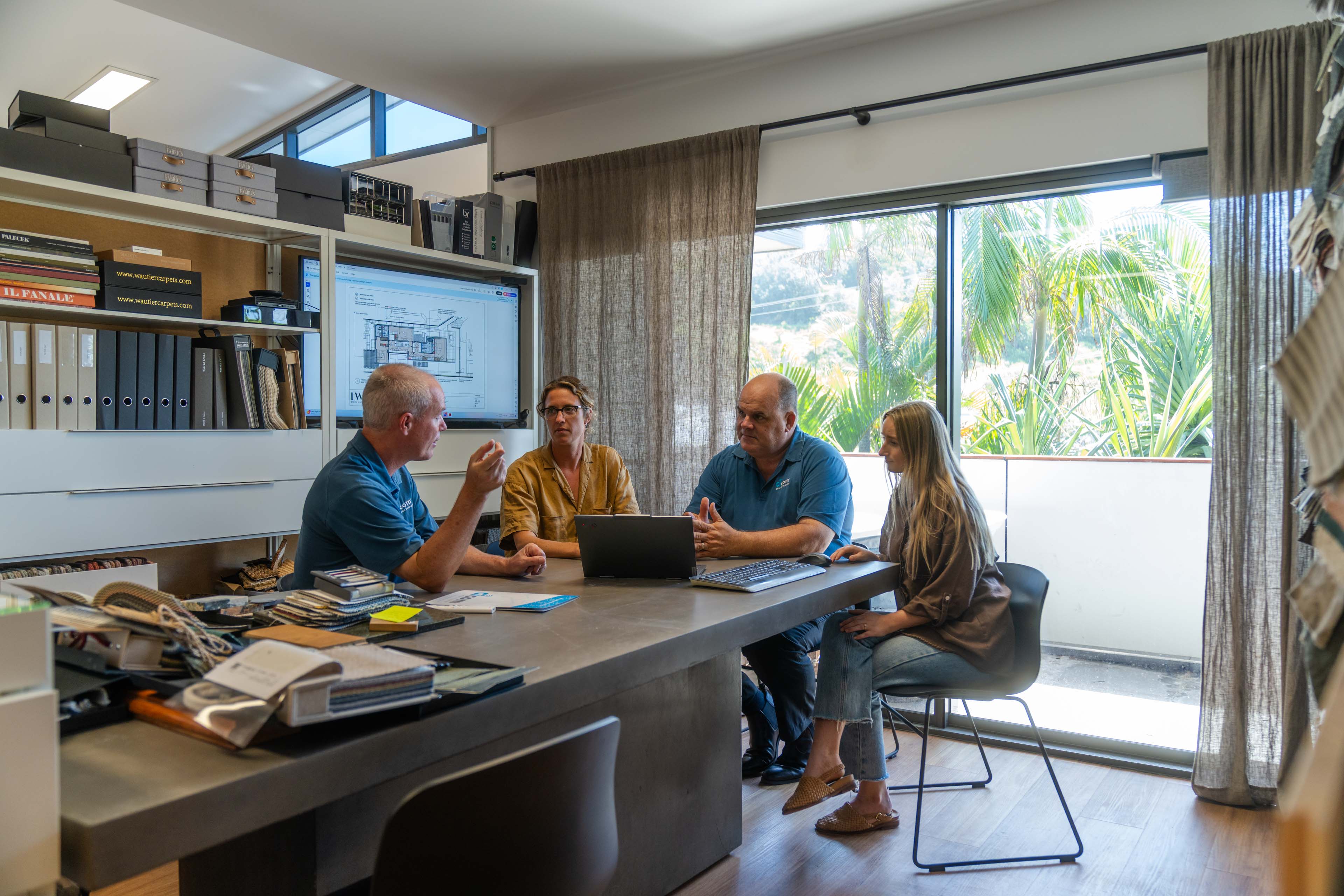
Sometimes the most useful first step is simply a conversation about what is working, what is not, and where the gaps might be. A free onsite IT assessment can help identify those gaps and provide practical recommendations based on how your business operates.
Speak with our team and get straightforward advice from someone who understands regional business.